
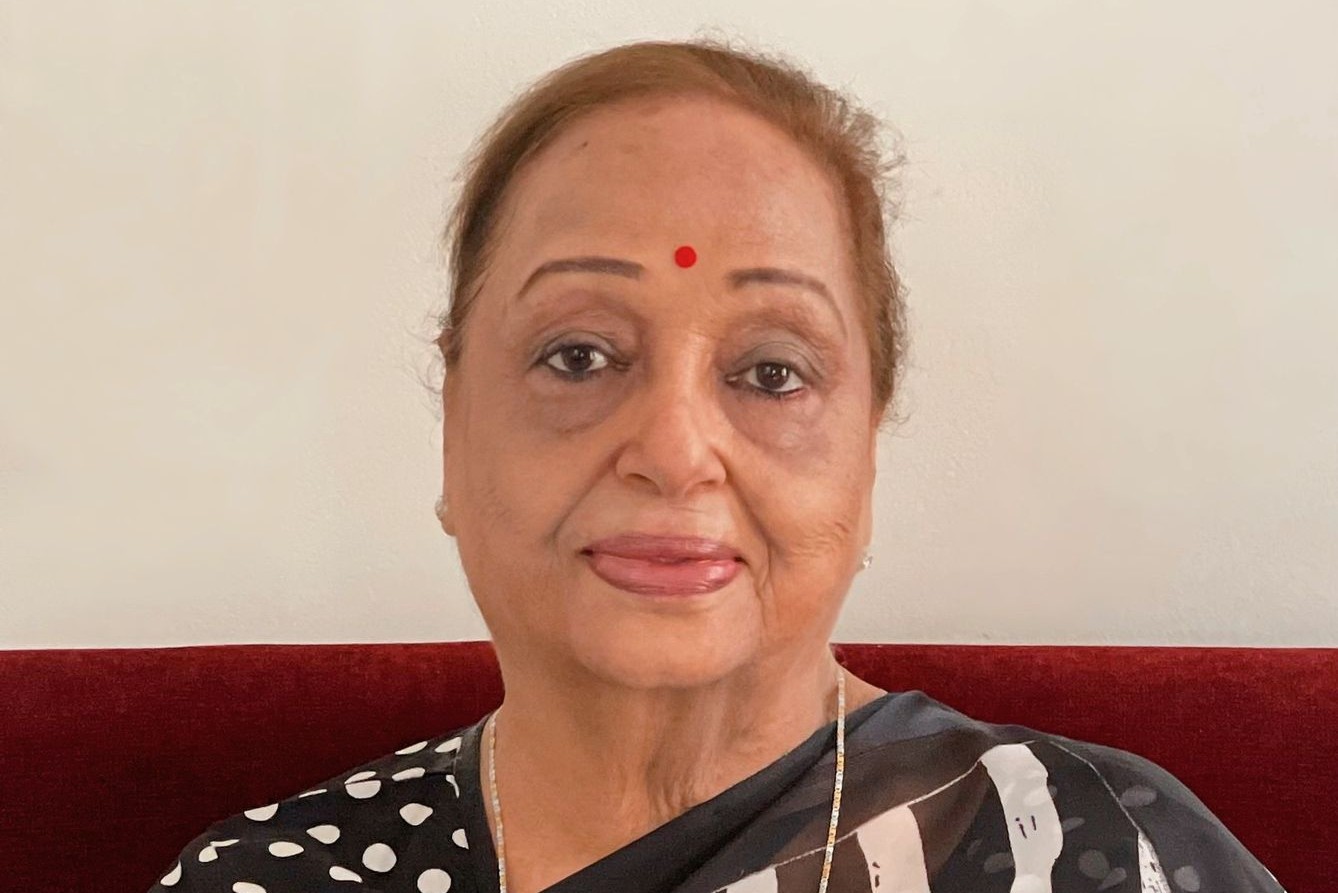
Rani Malik made a name for herself in a decade where there were not too many female lyricists around. ‘Dheere Dheere Se’ from ‘Aashiqui’ (1990) proved to be a breakthrough for her and after that she went on to write many popular songs including ‘Chhupana Bhi Nahin Aata’ (‘Baazigar’, 1993), ‘Agar Aasmaan Tak Mere Haath Jaate’ (‘Meherbaan’, 1993), ‘Chura Ke Dil Mera’ (‘Main Khiladi Tu Anari’, 1994), ‘Dil Tere Naam Se Dhadakta Hai’ (‘Aadmi’, 1995), ‘Tumse Milne Ko Dil’ (‘Phool Aur Kaante’, 1995), ‘Teri Gali Vichchon Langega Janaza Mera’ (‘Bewafa Sanam’, 1995), ‘Ek Naya Aasman’ (‘Chhote Sarkar’, 1996), ‘Utra Na Dil Mein Koi’ (‘Uff Yeh Mohabbat’, 1996), ‘Dhadakta Tha Pehle Dil Mera’ (‘Kartavya’, 1995), ‘Chori Chori Dil Tera’ (‘Phool Aur Angaar’, 1995) and ‘Dil Hamara Hua Hai Kisi Ka’ (‘Albela’, 2001).
Despite not being based in Mumbai, Rani managed to build a good working equation with most leading music directors of those times. In the ‘90s, lyrics written by her were set to tune by composers like Jatin – Lalit, Anu Malik, Nikhil – Vinay, Anand – Milind and Dilip Sen – Sameer Sen, among others.
After living a life filled with purpose, in the company of her loved ones, Malik left for heavenly abode on August 19, 2022. She was 79 at the time. For years to come, one can be sure that the songs penned by her continue to regale the hearts of those who love Hindi film music.
As a part of this conversation on Rani Malik, Meeta, the lyricist’s daughter, talks about her mother, her memories, and the legacy she has left behind.
In the ‘90s, women working in films in India was not a very common sight. Most departments, including music, were led by men. In such a time and era, Rani Malik managed to carve out an identity for herself as a lyricist.
Some people are born with blessings. My mother was one such person. My maternal grandfather, Shri Ram Lal Chhabra, would take her to mushairas by the time she turned fourteen. Soon, she started reciting her poetry in those mushairas. She would be only lady reciting poetry there. My nani ji, Shrimati Kaushalya Chhabra, too, was very supportive of her dreams.
Where was she born?
She was born on August 15, 1943 in Rawalpindi which is now in Pakistan. Her maiden name was Rani Chhabra. The family moved to Rampur in Uttar Pradesh when partition happened. She was four years old when the family moved there. Rampur is where she grew up. She graduated with a Bachelor of Arts degree from a college in Rampur. She married my father, Shri Arjun Dev Malik, at the age of 17. My father always encouraged her to pursue further studies. With his support, she completed her MA in Hindi from Delhi University. Papa passed away in 2021, a year and a half before Mumma left us.
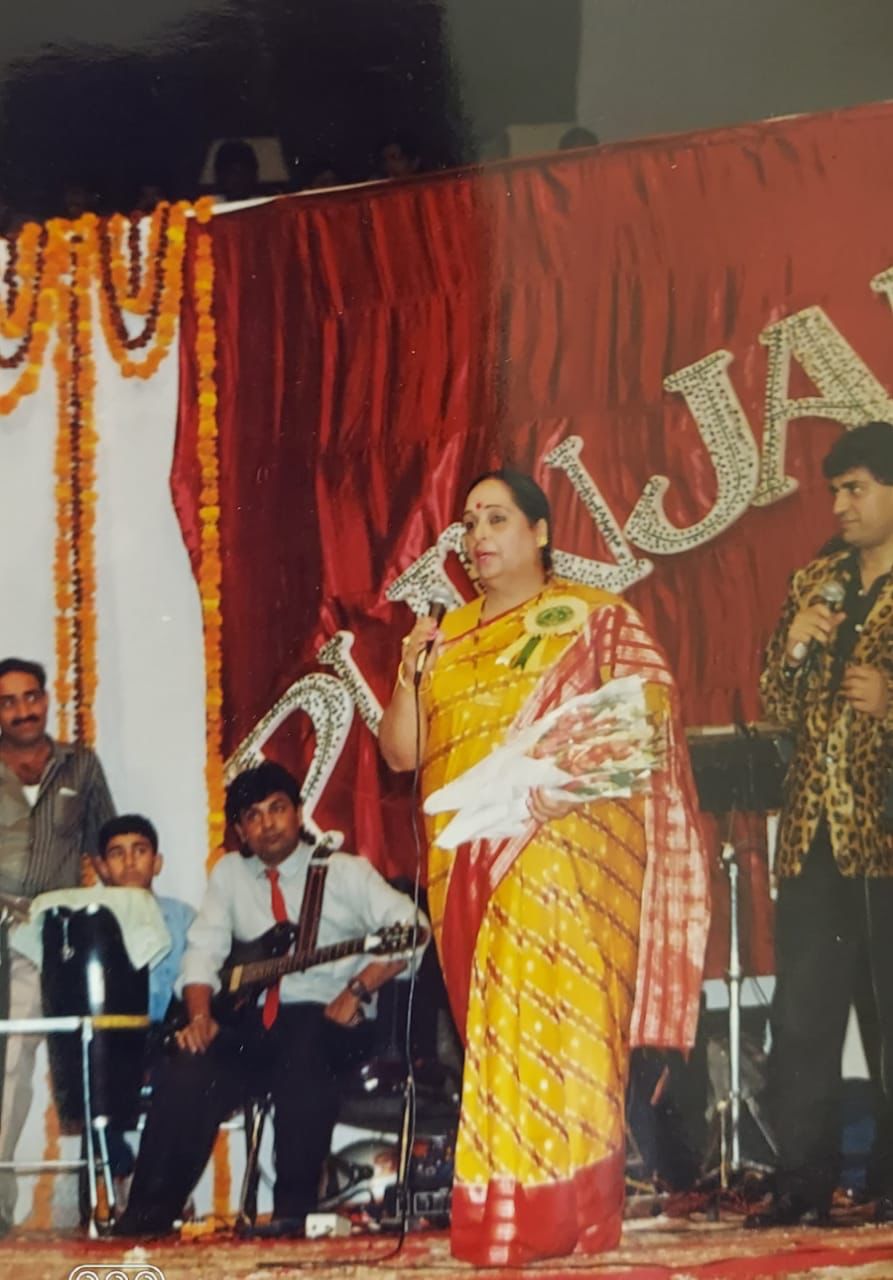
Did she have an interest in reading as a child?
Yes, she used to read a lot. Apart from poetry, she had a keen interest in real-life stories. She was also drawn towards social issues. My father, Shri Arjun Dev Malik, was in a transferrable job. We were in Bombay (now, Mumbai) in the early ‘80s. Apart from writing, she loved to cook. She was a wonderful mother. She kept her interests alive, built a career but never neglected us. She made sure all our needs were attended to. Family always came first for her. After finishing all her duties for the day, she would write.
Did she write stories too?
Yes! Some of her registered stories are with me. Mukesh Bhatt saab was interested in making films out of a few stories that she had written. Just a few days before she passed, she was writing some nazms. The book had gone for publishing. She passed away before the book was published. It’s called ‘Tajurbaat’. The book has poems drawn from real-life experiences. After she passed away, we had a baithak where my sister read one of her poems called ‘humein tum yaad kar lena’. We got very emotional as she recited that poem.
Did you grow up in Mumbai?
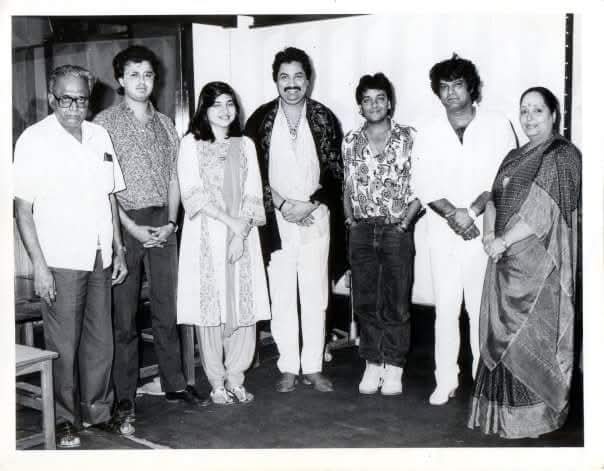
My father was working for a company called Indian Oxygen. We were in Bombay for a few years in the early ‘80s. Our base has always been Delhi. We were born there. My father got transferred to Calcutta (now Kolkata), Guwahati and Bombay at different points. At one point, Rani Maa worked as an announcer with All India Radio in Guwahati. During our stay in Calcutta, she worked as a lecturer in Rani Birla College. When my father got transferred to Bombay, she made an effort to reach out to people in the film and music industry. We would get the numbers from the film directory and make calls to get appointments with music directors, producers and singers. Sometimes, she would call. At times, we would call on her behalf. She wrote some ghazals for Pankaj Udhas ji, Anup Jalota ji, Chandan Das ji, Talat Aziz ji and Mohammed Aziz ji. She also wrote bhajans and mata ki bhentein. I was in school at that time. My sisters were in college. There was a lot of competition and it was very difficult to get opportunities. As you rightly pointed out, there was hardly any women working in the industry at that time. There were, of course, actresses. However, there were hardly any women in other departments. She was extremely passionate about her work and God was by her side. With time, she started getting more and more opportunities to write songs.
Was she based in Mumbai during these years?
No, all of us were based in Mumbai just for 3-4 years in the early ‘80s. Once Papa started his business in Delhi, we moved there. Rani Maa would keep coming to Mumbai to write songs. She would stay in Bombay for a few days and then, go back to Delhi. Once I got married, I moved to Mumbai permanently as my husband was there. Once that happened, things became a little more convenient for her as she had a home here. I remember attending a few award functions with her. I feel fortunate to have been a constant presence in her life in all those years.
Which script did she write in?
She mostly wrote in the Devnagri script. Her book ‘Tajurbaat’ is in the same script. She was fluent in Punjabi and therefore, would write in the Gurmukhi script at times. She did not write in the Arabic script but had a very good command over Urdu.
Was your father supportive towards her dreams?
Always! The entire family was very supportive of her. All of us encouraged her to follow her passion. We would call up from PCOs. At that time, there were so many established lyricists around. It was very difficult but she never gave up.
‘Dheere Dheere Se’ from ‘Aashiqui’ was her first big song.
Yes! The song gave her a lot of recognition. After that, she started getting a lot of work in the industry.
In some films like ‘Chhote Sarkar’, she got the opportunity to write all the songs. However, most of the time, she would be a part of a multi-lyricist setup.
She would have definitely liked to do more films as a solo lyricist. She made the best out of the opportunities she got.
‘Meri Pant Bhi Sexy’, a song which she wrote for ‘Dulaara’ (1994), attracted some controversy back then.
Yes, those were different times. My mother would always stay true to the brief given by the director and the music director and write as per their vision. I think her versatility was one of her biggest strengths. She could write a flamboyant romantic song like ‘Churake Dil Mera’ and could also pen ‘Ek Chumma Tu Mujhko Udhaar’.
More often than not, her songs would stand out even where there were multiple lyricists involved in an album. ‘Dil Hamara Hua Hai Kisi Ka’, for instance, was the only song she wrote for ‘Albela’ and it was the one song from the album which stood out lyrically.
Yes, she approached her craft with a lot of honesty and that reflected in her songs.
Many singers and music directors started their journeys with her. ‘Agar Aasmaan Tak Mere Haath Jaate’ from ‘Meherbaan’ was one of the first popular songs sung by Sonu Nigam.
Yes, that’s right!
Her song ‘Dheere Dheere Se’ was nominated for Best Lyrics at the Filmfare Awards organized in 1991. In the year 1996, she won the Screen Award for Best Lyrics for ‘Dhadakta Tha Dil Mera’ from ‘Kartavya’. Do you feel more recognition should have come her way?
Yes! She deserved a lot more recognition for her work. It was a male dominated industry at that time. It still is but now, you see more number of women working in every department. There were barely any female writers and lyricists then. As her children, we used to feel upset about her not getting enough recognition at that time. She, however, did not have any regrets. She was a happy and content person.
How many children did she have?
We are three sisters. The eldest one is Kavita. Vindhya comes second. I am the youngest daughter. We have a younger brother named Pankaj.
Since she was based in Delhi, was she a little away from the industry?
Yes, that was the only drawback for her. She was a woman. She had to get back to her home in Delhi and look after the family. Those who were based in Mumbai would get more preference. However, she kept coming back all the time. She would stay in Mumbai for 7-10 days, write a bunch of songs and head back home. Striking a balance between her work and familial responsibilities made her happy.
Would people from the film industry visit your mother and the family in Delhi?
Some of the people in the film and media industry were based in Delhi. They would come home to meet Rani Ma. Those who were based in Mumbai would visit her when they would come down to Delhi.
Does somebody else in the family work in the film industry?
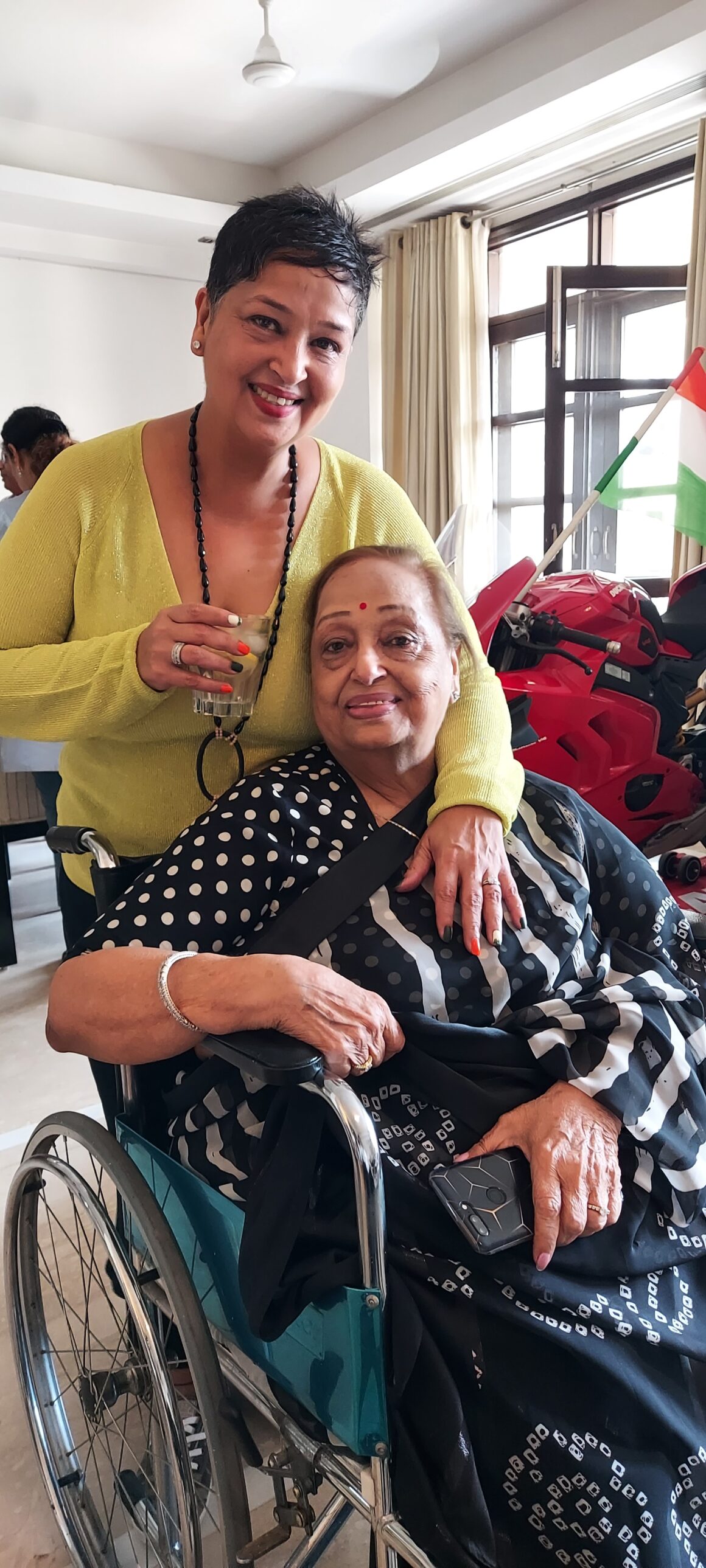
My daughter, Natasha, is a make-up and hair stylist. She was working on a project with Mukesh Bhatt ji. He happened to mention her name and some of her songs in front of the people sitting there. Rani Ma had just passed away then. Natasha had tears in her eyes as she heard Mukesh ji talk about her. Mukesh ji asked why she was crying. She told him that he was talking about her grandmother who just passed away. Mukesh ji called me that day. Later, his son-in-law came to meet us. Mukesh ji said he would like to make films on some of the stories written by my mother. One of her scripts was about the film industry. Right now, we are trying to find a way to make those stories reach the right people.
How did we lose her?
She passed away on August 19, 2022. Every year, on the 15th of August, we would celebrate her birthday. Every year, without fail, all of us would meet in Delhi for her birthday. I would reach two days early. I returned on the 17th. On the 18th, we spoke on phone. On the 19th, even though we were miles apart, I felt something was not right with her. When I called her, she did not pick up the phone. My brother lived in a building next to hers. I asked him to go and check if she is alright. She suffered from a cardiac arrest. She loved life. She would be a kid to a kid, a youngster to a youngster. She would be younger than a younger person and older than an older person.
Which is your favourite song written by your mother?
It’s hard to pick one song (pause). However, there is one song written by her which makes me very emotional. Whenever I hear ‘Teri Gali Vichchon Langega Janaza Mera’ (‘Bewafa Sanam’), I can’t handle myself. I end up getting very emotional and start crying.
How do you remember her as a mother?
Everybody says there is a lot of her in me. She struck a beautiful balance between managing her home and career. She was deeply attached to her children and grandchildren. Most of us have some artistry within us. Somebody paints, somebody writes. I write poetry in English. My sister paints very well. My mother was an excellent cook. We would barely order food from the outside. She would always be innovative with the food that she would make. She would prepare a lavish spread for us. Till the very end, she cooked for us. Because of her, all of us are great cooks. She was a dutiful wife, a doting mother and a wonderful grandmother.