
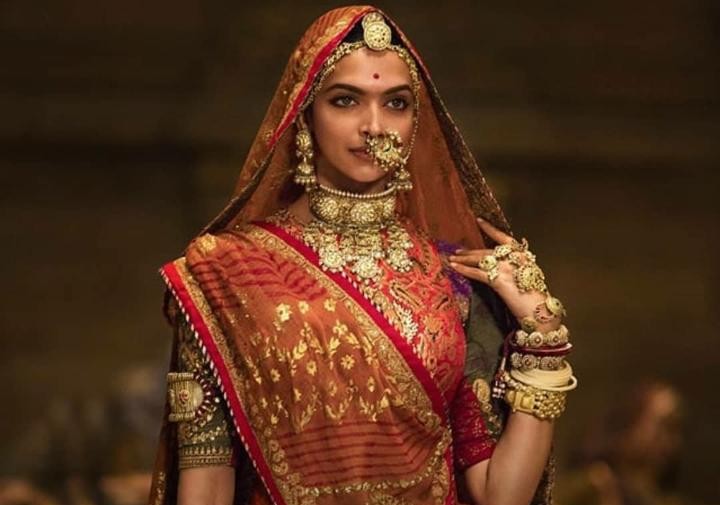
As Padmaavat completes 8 years on January 25, Sanjay Leela Bhansali’s magnum opus continues to stand tall as one of the most visually arresting and emotionally powerful films in Indian cinema. Known for his opulence, scale, and meticulous detailing, Bhansali is often credited for taking Indian cinema to the global stage, and he did the same with Padmaavat as well. The film brought together history, poetry, and spectacle in a way only Bhansali can. Starring Deepika Padukone, Ranveer Singh, and Shahid Kapoor, Padmaavat remains a landmark in period filmmaking. On its anniversary, here are 8 interesting facts that make the film as legendary as its legacy.
Music Was Composed Before the Film Was Shot
True to Bhansali’s style, the music of Padmaavat was composed before filming began, helping actors internalise the emotional rhythm of their scenes.
Inspired by an Epic Poem
Padmaavat is inspired by Malik Muhammad Jayasi’s 16th-century epic poem Padmavat, blending folklore, history, and myth into cinematic storytelling.
One of Bhansali’s Most Expensive Films
Mounted on a massive scale, Padmaavat was among the most expensive Indian films of its time, with elaborate sets, costumes, and visual effects contributing to its grandeur.
Deepika Padukone’s Regal Transformation
Deepika Padukone underwent extensive preparation to embody Rani Padmavati, from mastering classical grace to carrying the weight of silent strength that defined her character.
Ranveer Singh’s Darkest Role Ever
Ranveer Singh’s portrayal of Alauddin Khilji marked a turning point in his career. He immersed himself deeply into the character, even isolating himself mentally to channel Khilji’s brutality.
Shahid Kapoor Learned Horse Riding and Sword Fighting
To play Maharawal Ratan Singh, Shahid Kapoor trained rigorously in horse riding, sword combat, and royal etiquette to lend authenticity to his performance.
The Iconic Jauhar Sequence Took Months to Shoot
One of the film’s most emotionally charged scenes, the Jauhar sequence, required months of planning, rehearsals, and filming due to its scale and sensitivity.
Over 400 Artisans Worked on the Sets
Bhansali’s sets were handcrafted by hundreds of artisans, recreating medieval India with intricate carvings, massive forts, and period-accurate aesthetics.